Introduction: The Challenge of Traditional Systems
Imagine a factory running at full steam, machines humming, and your system freezes—leaving you in the dark about what’s gone wrong. It’s a headache no one wants, right? Now, remote io comes in as a solution that can turn this chaos into clarity. But what if the technology you’re relying on is outdated? That’s where understanding the data acquisition module becomes crucial for modern operations.
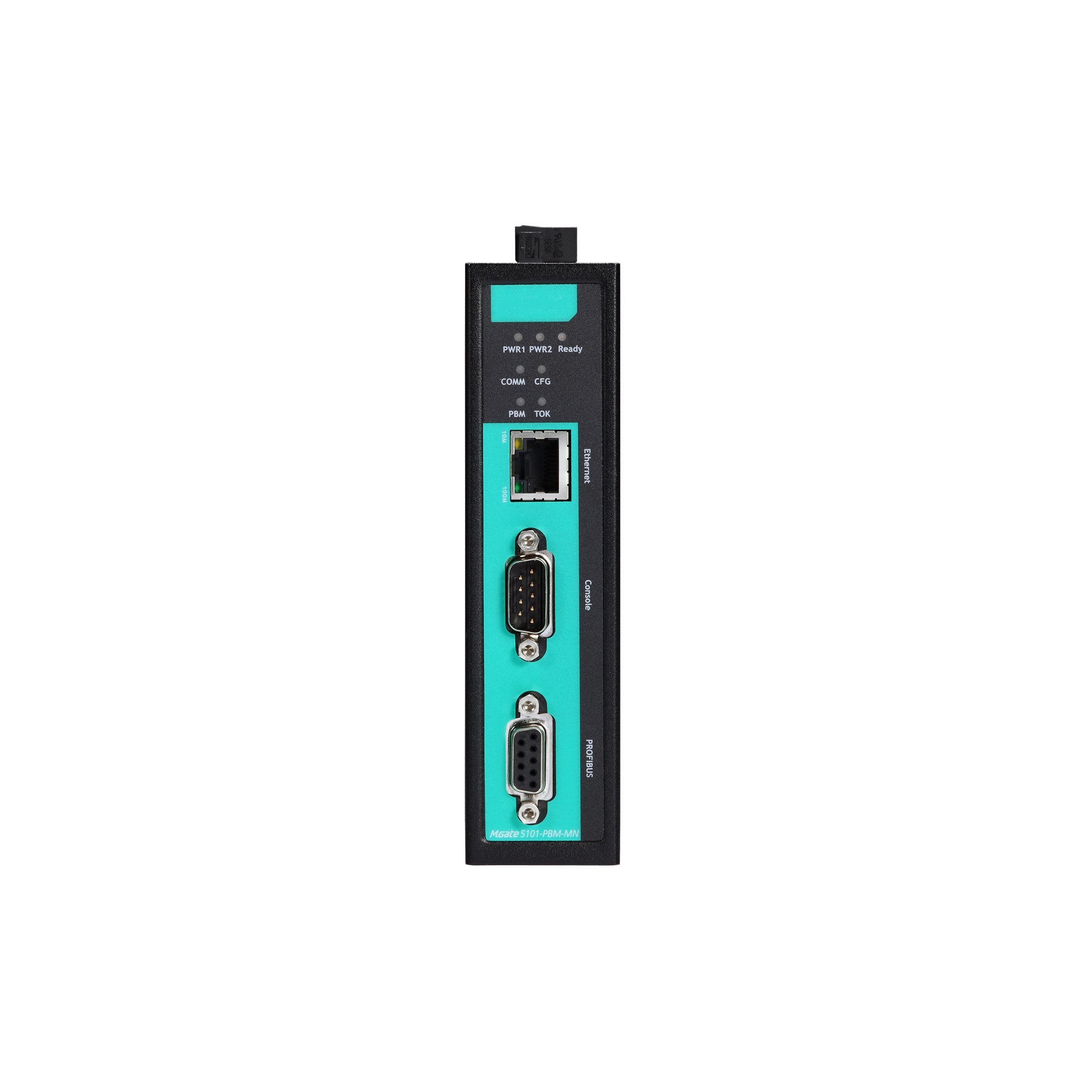
Body: Breaking Down Traditional Solutions
Traditional data acquisition systems, while once the gold standard, have notable flaws. They often lack real-time monitoring capabilities and can be cumbersome, introducing latency that can result in oversights—think of it like trying to catch a train that has already left the station. New tech principles, especially in remote io deployment, emphasize staying connected, which leads to more efficient operation. With options like cloud connectivity and edge computing nodes, manufacturers are reaping the benefits, such as uptime leaps and reduced operational costs.
Why Switch to a Remote I/O System?
So why should you be excited about the remote io system? Well, it’s all about optimizing your workflow and cutting down those frustrating errors. With improved data accuracy and the convenience of remote access, you’ll be in a much better position to make quick decisions, based on what the real-time data is telling you. Basically, modern solutions are designed with user needs in mind, offering straightforward setups that replace complex, outdated systems.
Conclusion: Making an Informed Choice
Before you dive into any tech purchase, always verify these 3 metrics: ① Functionality—does it meet your specific needs? ② Integration—is it compatible with what you already have? ③ Support—what help can you expect after purchase? When it comes time to choose your remote io solutions, look no further than DECOWELL for top-notch manufacturing with supply advantages at your service. You can find out more about their products at DECOWELL.