Undoing PVC fittings is essential for repairs, replacements, and system modifications. Different types of PVC fittings require different disconnection methods. Understanding how to safely undo PVC fittings prevents damage and injury. Industrial fittings may need specialized techniques for safe removal. Learning proper disconnection procedures saves time and materials. This guide explains how to undo various types of PVC fittings.
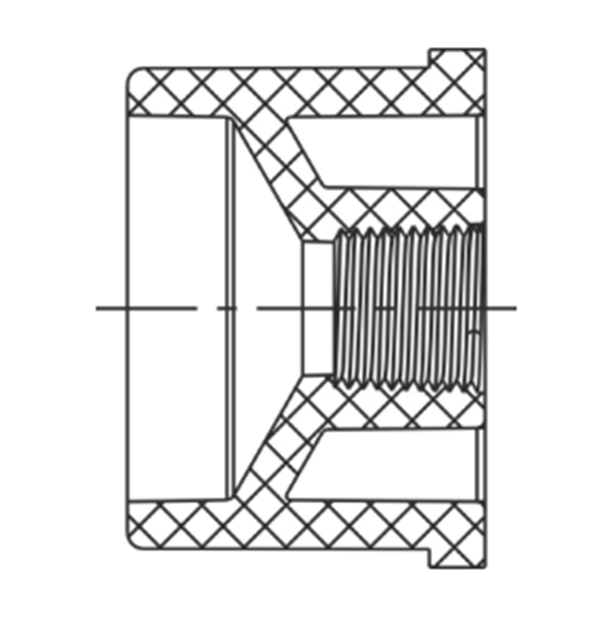
Understanding PVC Fitting Types
PVC fittings come in several varieties requiring different removal approaches. Solvent-welded PVC fittings are permanently bonded and cannot be undone. Compression PVC fittings use mechanical pressure for removable connections. Push-to-connect PVC fittings offer quick disconnect without tools. Threaded PVC fittings use screw connections for disassembly. Identifying your fitting type determines the appropriate disconnection method. Proper identification prevents mistakes during removal attempts.
Undoing Compression PVC Fittings
Compression PVC fittings allow relatively easy disconnection and reconnection. Locate the compression nut on your PVC fittings. Position two wrenches on the fitting and nut. Hold the fitting body steady with one wrench. Turn the nut counterclockwise with the other wrench. Apply steady, even pressure when undoing PVC fittings. Once the nut spins freely, continue turning by hand. Gently pull the pipe away from the PVC fittings. Inspect the ferrule inside for damage or debris. Compression PVC fittings are reusable for future reconnections.
Disconnecting Push-to-Connect Fittings
Push-to-connect PVC fittings offer the easiest disconnection method. Locate the small release collar on your PVC fittings. Press and hold the release collar firmly. Gently pull the pipe from the PVC fittings while holding the collar. The internal grip in PVC fittings releases allowing smooth withdrawal. Push-to-connect PVC fittings enable quick disconnections without tools. These convenient PVC fittings disconnect in seconds. The simplicity makes them popular for accessible connections.
Removing Threaded PVC Fittings
Threaded PVC fittings require wrench tools for disconnection. Position two wrenches on the threaded PVC fittings connection. Hold one component steady while turning the other counterclockwise. Apply consistent pressure when undoing threaded PVC fittings. Work slowly to avoid cross-threading or stripping PVC fittings. Once threads separate, unscrew PVC fittings by hand. Inspect threads on both pipe and PVC fittings for damage. Clean threads thoroughly before reconnecting or replacing fittings.
Dealing with Stuck PVC Fittings
Sometimes PVC fittings become stuck preventing easy removal. Apply penetrating oil around the connection area. Allow oil time to work into the fitting. Gently work the fitting back and forth. Use a rubber mallet to tap PVC fittings gently. Apply heat with a heat gun to expand materials slightly. Avoid excessive force which damages PVC fittings. Patient effort usually frees stuck fittings eventually.
Handling Mineral Deposits in Fittings
Mineral buildup sometimes prevents smooth disconnection of PVC fittings. White deposits inside PVC fittings indicate mineral accumulation. Vinegar solution can dissolve mineral deposits on PVC fittings. Soak affected areas in vinegar solution briefly. Scrub away loosened deposits carefully. Avoid abrasive materials that damage PVC fittings. Clean thoroughly before reassembling PVC fittings connections.
Destroying Solvent-Welded Fittings
Solvent-welded PVC fittings cannot be safely undone. Carefully cut the pipe using a hacksaw near solvent PVC fittings. Work around the fitting removing pipe sections gradually. Use a rotary tool for precision work on PVC fittings. Remove the remaining pipe stub from inside PVC fittings. Accept that solvent-welded PVC fittings require replacement. Plan for new PVC fittings when modifications are needed.
Industrial Fittings Removal Considerations
Industrial fittings sometimes require specialized removal techniques. Heavy-duty connections may need industrial tools. Professional assistance helps with complex industrial fittings. Specialized knowledge improves results with difficult industrial fittings. Consult manufacturers for specific disconnection procedures. Industrial fittings documentation provides removal guidance. Professional expertise handles challenging disconnections safely.
Preventing Damage When Undoing Fittings
Support pipes adequately during disconnection to prevent stress. Avoid twisting pipes excessively when undoing PVC fittings. Use appropriate tools rather than improvised methods. Work slowly and deliberately with PVC fittings. Protect nearby components from tools during removal. Proper technique preserves materials for reuse.
Conclusion
Undoing PVC fittings varies by type with compression and push-to-connect styles offering easy disconnection. Threaded PVC fittings require proper wrench technique while solvent-welded options demand destruction. Industrial fittings may need professional assistance for safe removal. To sustain its flawless plastic injection-molded product line and sales network, LESSO America manufactures and delivers high-quality plastic fittings with the latest injection mold tools and technology through distribution centers from coast to coast. LESSO America provides quality PVC fittings and industrial fittings for reliable plumbing and construction applications.